I’ve been modifying radios, scanners, and mobile phones for years. I’ve learned from experience that these industries are total bastards when it comes to connectors and pinouts. More often than not, the connector on any mobile device, including phones, is some proprietary one-off thing, even when the protocol is almost invariably serial. This goes double for scanners, communications receivers, and pagers. Hell, even GPS units have bizarro connectors. Connectors so badly designed and outrageously expensive that most people just made their own.
These are the sorts of things that are only justifiable to businessmen — Yes! make a one-of-a-kind undocumented connector, and then charge loads of money for cables and connectors, because we’re the only source! You can almost hear them laughing all the way to the bank extinction.
I recently acquired a Uniden Bearcat BCD396XT, which is a remarkable radio. The most salient feature of this radio is its ability to decode APCO25-standard broadcasts, which now comprise the majority of public service frequencies like police, fire, etc. But this radio goes a step further, allowing connection to a GPS (for “location based scanning”, a funny thing for a radio device, when radio was invented to overcome problems of distance) or to a computer for complete control. Problem is, the connector of interest is wacky.
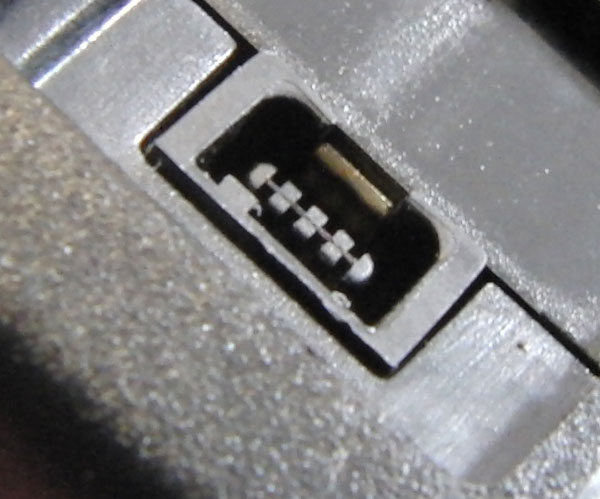
This connector, though it kinda resembles USB connectors, does not transport a USB signal. It is a plain old serial connection. Why they chose to use this connector is beyond me. However, as a hacker, I want access to those pins. I could just open the radio and solder to the board, but it’s more elegant and flexible to find the connectors themselves. After taking some detailed photographs, and searching around a bit, I was able to find a replacement.
Detailed photographs:
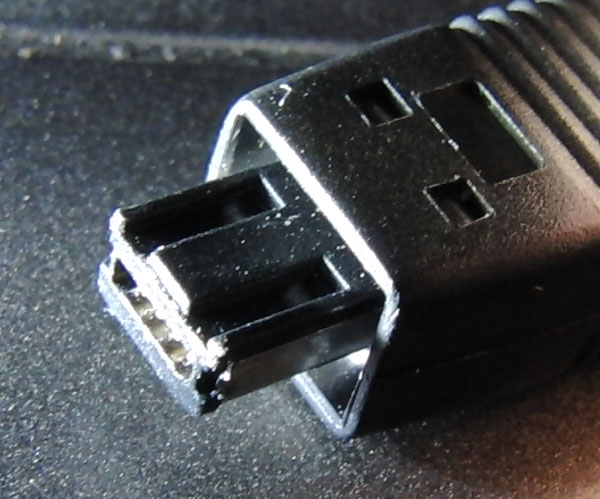
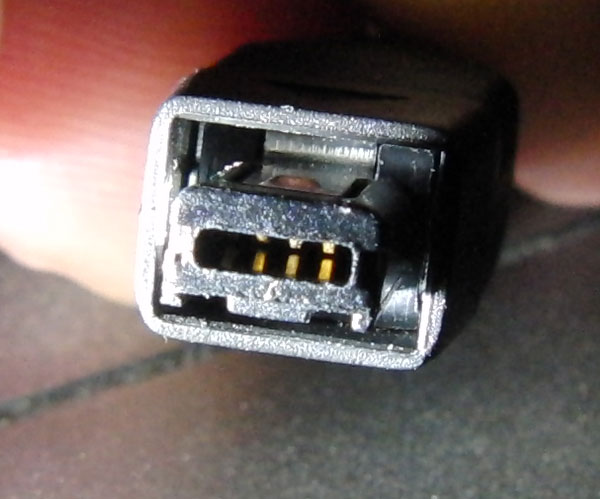
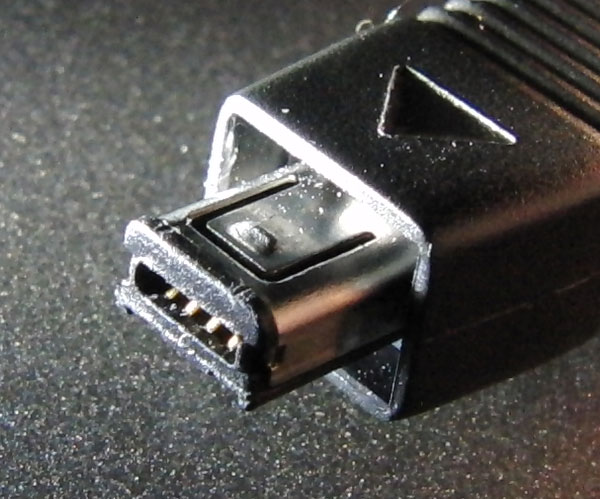
Items on eBay — they can be had for about a dollar each, with shipping — a hell of a lot cheaper than the $20 asking price for the standard serial cable. The magic search words turned out to be “4 pin mini USB cable” (most are 5 pin, these 4 pin models appear on a few odd digital cameras and MP3 players).
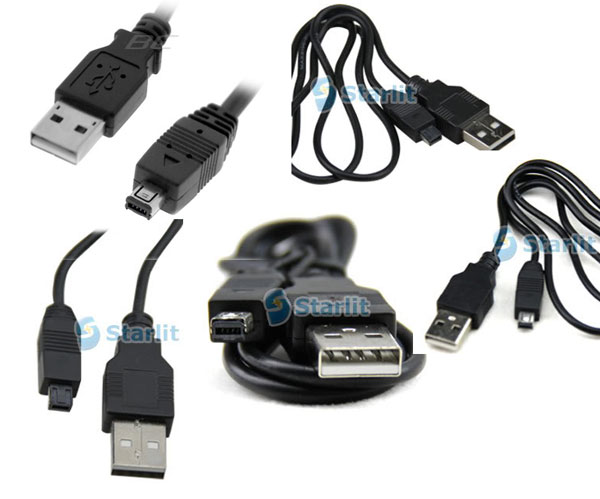
Please note, these cables are only good for the connectors on the end. Plugging the radio into a USB port without a proper USB adapter is asking for pain.
37 Responses to Uniden BCD396XT non-standard “USB” cable and a source of connectors.